


How to Store Sodium Sulfate Filler Masterbatch and Prevent Moisture Problems
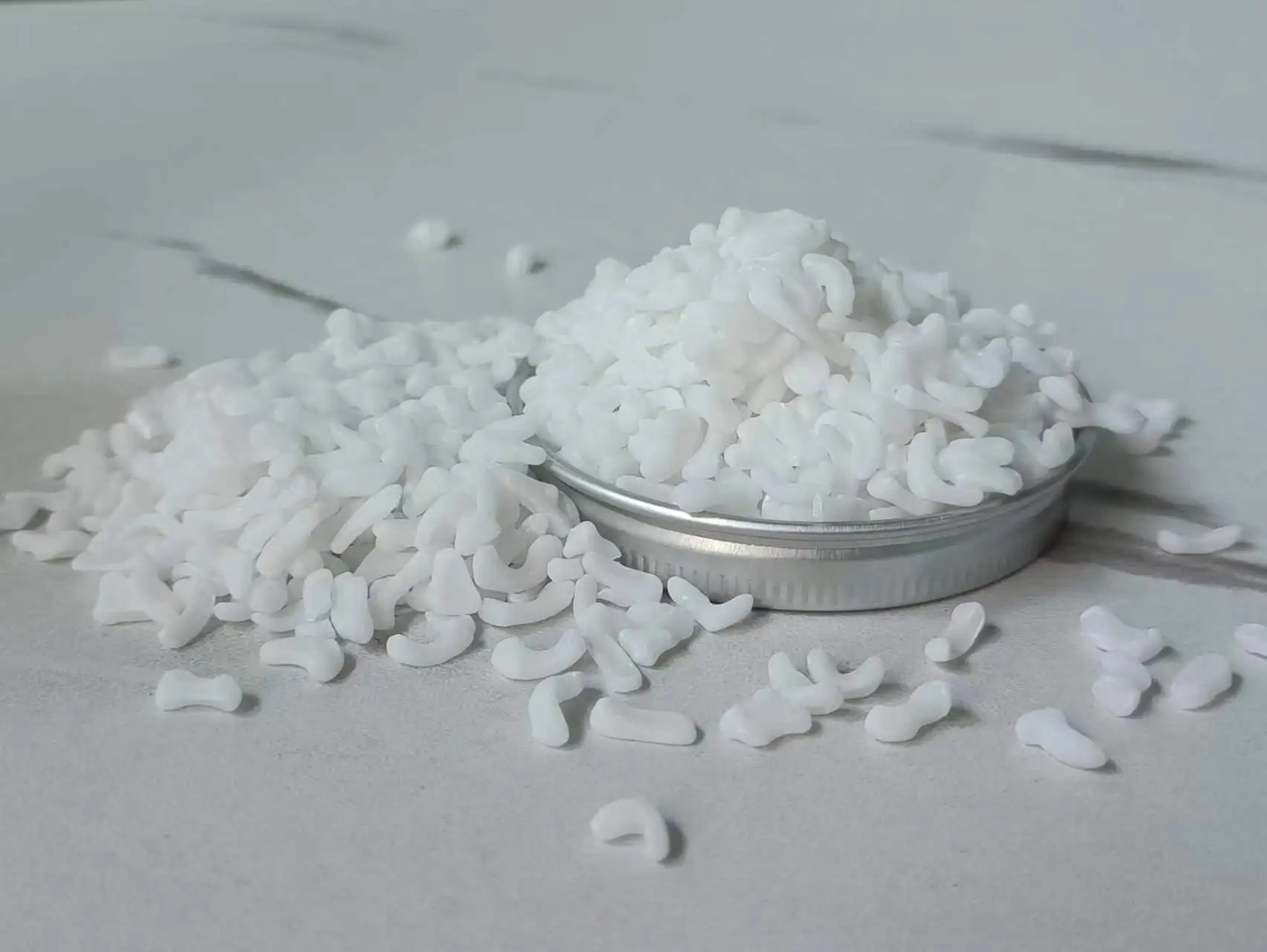
Correct storage is essential for maintaining the processing stability of sodium sulfate filler masterbatch.
Even when a masterbatch leaves the factory in good condition, damaged packaging, humid warehouses or opened bags can expose the material to moisture and contamination. This may cause unstable feeding, surface defects and inconsistent production results.
These risks become more significant when the masterbatch is used with recycled PE or PP, as recycled materials may already contain variable moisture and impurities.
This guide explains how to store, inspect and handle sodium sulfate filler masterbatch before using it in PE blown film or PP injection molding.
What Is Sodium Sulfate Filler Masterbatch?
Sodium sulfate filler masterbatch is a granular functional additive produced from finely processed sodium sulfate, a compatible carrier resin and selected processing additives.
It is also known as:
Na2SO4 filler masterbatch
Sodium sulfate filling masterbatch
Sodium sulfate transparent filler masterbatch
Plastic cost-reduction masterbatch
Functional filler masterbatch
In suitable formulations, it can replace a controlled portion of virgin PE or PP resin to help reduce material costs.
The material is supplied in granule form for easier feeding, mixing and dispersion. Like other plastic raw materials, it should remain clean and dry throughout transportation, storage and production.
Why Storage Conditions Matter
Masterbatch quality can be affected after delivery if the material is not handled correctly.
Possible sources of moisture and contamination include:
Torn or punctured bags
Unsealed opened bags
Direct contact with the warehouse floor
Rain during unloading
High warehouse humidity
Condensation caused by temperature changes
Dust and foreign particles
Mixing material from unidentified batches
Poor storage may lead to processing problems even if the original product meets the supplier’s quality requirements.
Maintaining suitable warehouse conditions makes production results more consistent and helps distinguish material issues from storage-related problems.
Recommended Storage Conditions
Sodium sulfate filler masterbatch should generally be stored in a clean, dry and ventilated indoor area.
Recommended practices include:
Keep bags away from rain and direct water exposure
Avoid prolonged direct sunlight
Keep the material away from strong heat sources
Store bags on clean pallets
Avoid direct contact with the floor or walls
Keep packaging sealed until use
Protect bags from punctures
Keep the warehouse free from dust and chemical contamination
Follow the supplier’s product-specific storage instructions
Do not store the masterbatch outdoors without adequate protection.
Exact storage limits and shelf-life conditions should follow the technical information provided for the selected product grade.
Keep Bags Off the Floor
Warehouse floors may appear dry while still transferring moisture or collecting condensation.
Place the masterbatch on:
Clean wooden pallets
Suitable plastic pallets
Dry storage racks
Other protected raised surfaces
Leave enough space for inspection and air circulation. Avoid placing the bags directly against damp walls.
If pallets are damaged or wet, replace them before loading the material.
Inspect Every Shipment
Inspect the material when it arrives rather than waiting until production begins.
Check:
Outer packaging condition
Signs of rain or water exposure
Torn bags
Loose stitching or seals
Product labels
Batch numbers
Quantity
Granule appearance, when appropriate
Signs of contamination
Record damaged packaging with photographs and isolate the affected bags.
Do not mix questionable material with acceptable stock before its condition has been evaluated.
Follow First-In, First-Out Inventory Control
Use a first-in, first-out system whenever possible.
This means older qualified stock is normally used before newer deliveries. FIFO inventory control can help prevent:
Excessively long storage
Forgotten bags
Damaged labels
Confusion between batches
Unnecessary variation in production
Keep product labels visible and maintain batch traceability from delivery through production.
When a quality problem occurs, the batch number is valuable for communicating with the supplier and reviewing production records.
How to Handle Opened Bags
Once a bag is opened, use the material as soon as practical.
If the complete bag cannot be consumed during the production run:
Remove dust or loose material around the opening.
Close the inner liner tightly, if present.
Reseal the outer bag securely.
Mark the date on which it was opened.
Return it to a dry pallet or storage rack.
Use it before opening another bag of the same batch.
Do not leave opened bags beside the machine overnight without protection.
Open containers and hoppers should also be protected from water, oil, dust and other raw materials.
Signs of Possible Moisture Exposure
Before production, inspect material that has been stored for a long period or exposed to questionable conditions.
Possible warning signs include:
Granules sticking together
Unusual clumping
Wet packaging
Condensation inside the bag
Changes in granule appearance
Material that does not flow normally
Damaged inner liners
Foreign particles or contamination
Clumping does not always prove that the entire batch is unusable, but the material should be isolated and evaluated before mass production.
Do not rely only on visual inspection when moisture-sensitive production requirements apply.
Possible Production Problems Related to Moisture
Moisture in the complete raw-material system may contribute to several processing problems.
In PE blown film, possible symptoms include:
Unstable film bubbles
Surface defects
Small holes
Reduced film uniformity
Unusual extrusion noise
Increased haze
Poor appearance
Inconsistent production
In PP injection molding, possible symptoms include:
Surface marks
Splay or silver streaks
Poor appearance
Irregular feeding
Inconsistent molded parts
Increased rejection rates
These symptoms may also be caused by resin contamination, unsuitable temperatures, poor dispersion or equipment conditions. Moisture should be investigated as one possible cause rather than assumed to be the only explanation.
Check the Complete Formulation
When a moisture-related problem appears, do not inspect only the sodium sulfate filler masterbatch.
The formulation may also contain:
Virgin PE or PP
Recycled plastic
Color masterbatch
Toughening additives
Antiblock additives
Other functional masterbatches
Recycled plastic is often particularly variable. It may have been washed, stored outdoors or exposed to humid conditions before delivery.
Inspect each raw material separately and record which batches were used during the affected production run.
Should Sodium Sulfate Filler Masterbatch Be Dried?
Do not automatically apply a drying process without consulting the supplier.
The appropriate action depends on:
Masterbatch formulation
Carrier resin
Degree of moisture exposure
Drying equipment
Temperature accuracy
Processing application
Excessive temperature or drying time may damage the carrier resin, alter additives or cause granules to soften and stick together.
If drying is considered necessary, request grade-specific temperature and time guidance from the manufacturer. A severely water-damaged bag may need to be rejected instead of processed.
Prevent Condensation After Transportation
Condensation may occur when material is moved between environments with significantly different temperatures.
For example, bags arriving from a cold container may be exposed to warm, humid factory air. Moisture can then form on packaging or other surfaces.
If there is a large temperature difference:
Move the sealed material into a protected indoor area
Keep the bags closed while their temperature stabilizes
Inspect for condensation before opening
Avoid introducing visibly wet packaging into the production area
This is especially important during rainy seasons and in regions with high humidity.
Keep the Mixing Area Clean and Dry
Good warehouse storage alone is not enough. The material can still become contaminated during mixing and feeding.
The production area should be protected from:
Water leaks
Oil
Metal particles
Dust
Leftover material from previous formulas
Incorrectly labeled containers
Wet mixing equipment
Clean mixers, feeding systems and hoppers before beginning a controlled masterbatch trial.
Use clearly identified containers for each raw material to reduce the risk of formulation errors.
Do Not Mix Different Batches Without Records
Mixing different masterbatch batches may reduce traceability.
If batches must be combined during normal production, record:
Batch numbers
Quantities used
Production date
Machine
Formula
Finished-product lot
These records make it easier to investigate variations in film appearance, molding behavior or mechanical performance.
For a new production trial, using one identified masterbatch batch provides clearer results.
Packaging Considerations for International Buyers
Before placing an order, international buyers should confirm:
Net weight per bag
Inner-liner configuration
Outer packaging material
Pallet availability
Pallet wrapping
Container-loading quantity
Batch labels
Storage recommendations
Shipment identification
Packaging should be selected according to transport distance, handling method and destination climate.
After unloading, the customer should inspect the packaging and transfer the material to suitable indoor storage promptly.
A Simple Pre-Production Checklist
Before adding sodium sulfate filler masterbatch to production, check:
Is the product label correct?
Is the batch number recorded?
Is the packaging dry and undamaged?
Do the granules flow normally?
Has the bag remained properly sealed?
Are the other raw materials dry and clean?
Is the mixing equipment clean?
Is the dosage accurately measured?
Are the production settings recorded?
Is the finished-product test plan ready?
This short inspection can prevent avoidable waste and make trial results more reliable.
What to Do If a Storage Problem Is Suspected
If moisture exposure or contamination is suspected:
Stop using the affected material in mass production.
Isolate and label the questionable bags.
Record batch numbers and storage conditions.
Take clear photographs of the packaging and granules.
Review the condition of the other raw materials.
Check warehouse humidity, leaks and pallet condition.
Contact the supplier with production and storage information.
Conduct only a controlled test if the material is considered suitable for evaluation.
Do not blend questionable material into a large quantity of good stock merely to make the problem less visible.
Information to Send the Supplier
For efficient technical support, provide:
Product name and grade
Batch number
Delivery date
Date the bag was opened
Storage duration
Warehouse conditions
Photographs of packaging and granules
Current formulation
Processing method
Production symptoms
Machine temperatures
Photos or samples of defective products
Detailed records help determine whether the issue relates to storage, another raw material, processing conditions or masterbatch compatibility.
Sodium Sulfate Filler Masterbatch from Xinfeng
Xinfeng manufactures sodium sulfate filler masterbatch for PE blown film, PP injection molding and other suitable plastic-processing applications.
Our functional additive range also includes high-transparency toughening additives, color masterbatch, antiblock masterbatch and desiccant masterbatch.
We recommend keeping masterbatch sealed, dry, clean and traceable until production. Product-specific storage and processing guidance can be provided according to the selected grade and application.
Send us your base resin, current formulation and finished-product requirements to request a suitable sodium sulfate filler masterbatch sample.
Frequently Asked Questions
How should sodium sulfate filler masterbatch be stored?
Store it indoors in a clean, dry and ventilated area. Keep bags sealed, protected from water and placed on suitable pallets or racks.
Can opened bags be stored for later use?
Opened bags should be used as soon as practical. If material remains, reseal the packaging carefully and record the opening date.
What should I do if the packaging becomes wet?
Isolate the affected bag and inspect it before use. Contact the supplier if moisture may have reached the material.
Does clumping mean the masterbatch cannot be used?
Clumping may indicate moisture exposure, heat or storage pressure. Isolate the material and evaluate it before production rather than using it automatically.
Should the masterbatch be dried before processing?
Do not dry it automatically. Ask the manufacturer for instructions specific to the product grade, carrier resin and application.
Can moisture cause unstable PE film bubbles?
Moisture in the raw-material system may contribute to unstable extrusion and film defects. Resin quality, compatibility, dispersion and machine settings should also be checked.
Why is batch traceability important?
Batch records allow the manufacturer and supplier to investigate quality variations and compare production results accurately.
Request Storage and Application Guidance
Send Xinfeng your:
Base resin
Processing method
Current formulation
Destination climate
Storage conditions
Finished-product requirements
We can recommend a suitable sodium sulfate filler masterbatch grade and provide product-specific handling guidance.
Send us a message now for quotation.
WhatsApp: https://wa.memessage/IRZROGA5F2RQO1
WhatsApp:+86 17835035161