


7 Common Problems When Using Sodium Sulfate Filler Masterbatch in PE Film
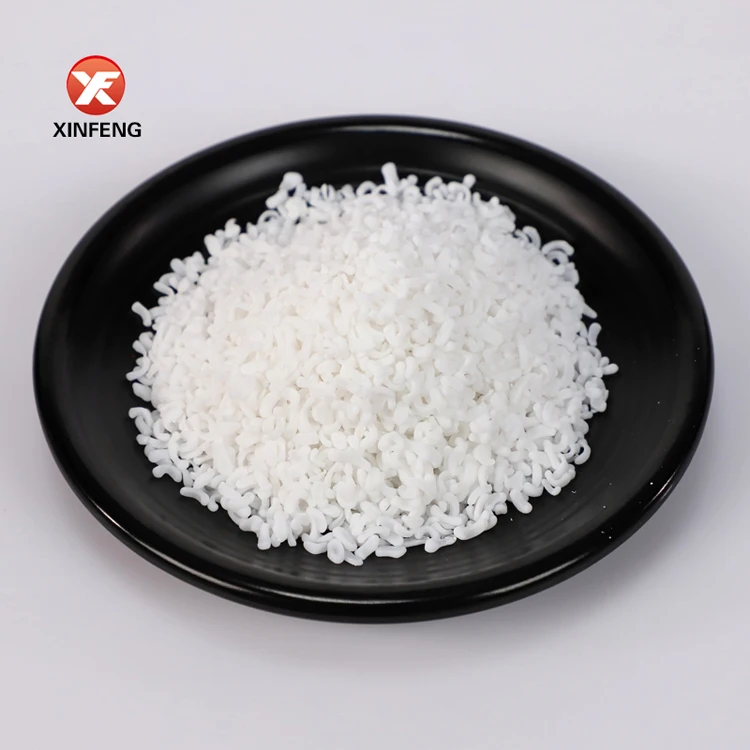
Sodium sulfate filler masterbatch can help PE blown-film manufacturers reduce virgin resin consumption and control production costs. However, the final result depends on the masterbatch grade, addition ratio, resin formulation and processing conditions.
When a new filler is introduced, manufacturers may experience increased haze, reduced film strength, unstable film bubbles or other production problems. These issues do not always mean that the masterbatch is unsuitable. In many cases, the formulation or processing parameters need to be adjusted.
This guide explains seven common problems and the practical points that should be checked during a production trial.
1. The Film Becomes Too Hazy
In suitable formulations, sodium sulfate filler masterbatch may retain better transparency or translucency than some conventional mineral fillers. However, it should not be expected to remain completely invisible under all conditions.
If the film becomes too hazy, possible causes include:
Addition ratio is too high
Film is too thick for the required appearance
Masterbatch is poorly dispersed
Carrier resin is incompatible with the PE formulation
Processing temperature is unsuitable
Base resin already has high haze
Recycled material quality is unstable
Possible Solutions
Begin by reducing the sodium sulfate filler masterbatch dosage. Compare several samples produced at controlled addition levels.
Keep the film thickness and main production settings consistent during the comparison. If several variables change at the same time, it becomes difficult to identify the real cause.
Also check whether the masterbatch carrier is suitable for LDPE, LLDPE or HDPE. Compatibility has a direct influence on dispersion and optical appearance.
For products with strict transparency requirements, always test the masterbatch in the actual film formulation.
2. Film Strength or Elongation Decreases
Any inorganic filler can influence the mechanical properties of plastic film. The effect becomes more noticeable when the addition ratio increases.
Possible symptoms include:
Lower tensile strength
Reduced elongation
Easier tearing
Lower puncture resistance
Bags breaking under load
Weak edges after cutting
Possible causes include:
Excessive masterbatch dosage
Insufficient LLDPE in the formulation
Weak or inconsistent recycled material
Poor filler dispersion
Film thickness below the target
Unsuitable extrusion temperature
Incompatible carrier resin
Possible Solutions
First, check whether the actual film thickness matches the required specification. A thinner film may appear to have a material problem even when the formulation has not changed significantly.
Reduce the filler ratio and retest the mechanical properties. If necessary, adjust the balance of LDPE, LLDPE and HDPE according to the required strength and processing behavior.
A suitable toughening additive may also be considered when the application requires a better balance between cost reduction and mechanical performance. This adjustment should be confirmed through testing rather than made automatically.
The final decision should be based on the requirements of the finished bag or packaging product.
3. The Film Bubble Becomes Unstable
A stable film bubble is essential for consistent thickness and efficient blown-film production.
After adding sodium sulfate filler masterbatch, some manufacturers may observe:
Bubble vibration
Uneven film width
Frequent bubble collapse
Unstable frost line
Uneven film thickness
Reduced production speed
Possible causes include:
Uneven mixing
Moisture in the raw materials
Unsuitable processing temperature
Excessive filler addition
Incompatible carrier resin
Unstable recycled-material composition
Incorrect air-ring or cooling settings
Possible Solutions
Make sure the sodium sulfate filler masterbatch is mixed evenly with the other raw materials. Uneven feeding can create continuous changes in melt behavior.
Check the moisture condition of all materials, especially recycled PE. Moisture and contamination may cause unstable extrusion and surface defects.
Review the extrusion-temperature profile rather than changing only one temperature zone. The masterbatch must melt and disperse properly without causing excessive thermal stress to the polymer.
If the bubble becomes stable after reducing the dosage, increase the ratio gradually and identify the practical limit for the formulation.
4. White Spots or Visible Particles Appear
White spots and visible particles negatively affect film appearance and may indicate a dispersion problem.
Possible causes include:
Poor masterbatch dispersion
Masterbatch granules not melting completely
Contamination in recycled resin
Low or uneven processing temperature
Excessively short mixing time
Damaged screen pack
Material remaining inside the machine from a previous production run
Possible Solutions
Inspect both the sodium sulfate filler masterbatch and the other raw materials before production. Confirm that the granules are clean, uniform and free from serious agglomeration.
Check whether the extrusion temperature is sufficient for the carrier resin. A carrier with poor compatibility may not disperse evenly in the PE melt.
The screw design, screw speed and residence time also influence dispersion. If the problem continues at a low dosage, the masterbatch grade or carrier system may not be suitable for the equipment and resin formulation.
Before changing suppliers or formulas, clean the machine and inspect the filter screen to eliminate contamination as a possible cause.
5. Heat-Sealing Strength Becomes Weaker
Heat sealing is critical for shopping bags, garbage bags and packaging film. A formulation may run smoothly on the film-blowing machine but fail during bag making.
Common symptoms include:
Seals opening under load
Incomplete sealing
Narrow sealing window
Brittle seal lines
Unstable sealing from one batch to another
Possible causes include:
Filler ratio is too high
Seal temperature is no longer suitable
Film thickness is uneven
Resin blend has changed
Surface contamination is present
Cooling or sealing time is insufficient
Possible Solutions
Test the sealing strength at different temperatures, pressures and sealing times. The original bag-making settings may not be optimal after changing the film formulation.
Reduce the sodium sulfate masterbatch dosage if the sealing window becomes too narrow or seal strength remains below the target.
Make sure the trial film is tested using the actual bag-making equipment. Visual inspection alone cannot confirm whether the seal is strong enough for transportation and end use.
6. Die Deposits or Surface Roughness Increase
Deposits around the die and rough film surfaces can interrupt production and increase waste.
Possible causes include:
Poor dispersion
Excessive filler dosage
Incompatible additives
Contaminated raw materials
Unsuitable temperature settings
Unstable masterbatch quality
Excessively long production without cleaning
Possible Solutions
Check whether the problem begins immediately after adding the new masterbatch or develops gradually during a long production run.
Inspect the die, screen pack and screw before blaming a single raw material. Residue from previous materials may contribute to deposits.
If the surface becomes smoother after reducing the filler ratio, the current dosage may be too high for the formulation or equipment.
A reliable sodium sulfate filler masterbatch should provide stable filler content, controlled moisture and consistent dispersion. Significant variation between batches should be reported to the supplier with samples and production records.
7. The Expected Cost Saving Is Not Achieved
The formulation cost per kilogram may decrease, but the manufacturer may still find that the real profit has not improved.
This can happen when:
Each finished bag becomes heavier
More film is rejected
Production speed decreases
Energy consumption increases
More downtime is required for cleaning
Customer complaints increase
Mechanical properties fall below the target
Possible Solutions
Do not evaluate sodium sulfate filler masterbatch only by comparing its price with the price of virgin resin.
Calculate the total cost per qualified finished product:
Total production cost ÷ number of qualified finished products
Include:
Virgin resin cost
Masterbatch cost
Other additive costs
Finished-product weight
Production output
Energy consumption
Labor and downtime
Scrap and rejected products
The best dosage is not necessarily the highest possible dosage. It is the ratio that delivers the lowest cost per qualified product while maintaining stable production.
A Better Method for Production Trials
A controlled trial reduces risk and produces more useful data.
Record the Original Production Data
Before changing the formulation, record:
Complete resin formulation
Film thickness
Finished bag weight
Production speed
Scrap rate
Transparency
Mechanical-test results
Sealing parameters
Change One Main Variable at a Time
When testing sodium sulfate filler masterbatch, avoid changing the resin blend, film thickness and processing temperature simultaneously.
Keeping most conditions stable makes the masterbatch effect easier to identify.
Increase the Dosage Gradually
Start with the supplier’s recommended trial ratio. Increase it only after the film passes the required tests.
Do not move directly to mass production based on a short machine trial.
Test the Finished Product
The final bag or packaging product should be tested, not only the film roll.
Depending on the application, testing may include:
Load-bearing test
Drop test
Tensile strength
Elongation
Tear resistance
Puncture resistance
Heat-sealing strength
Printing adhesion
Customer packing test
Information to Provide When Requesting Technical Support
When contacting the masterbatch manufacturer about a production problem, provide specific information instead of only saying that the product “does not work.”
Useful information includes:
Type of PE resin
Virgin and recycled resin ratio
Complete formulation
Masterbatch addition ratio
Film thickness
Product application
Extrusion temperature
Machine type and screw size
Photos or videos of the problem
Original and trial film samples
Mechanical-test results
Detailed information allows the supplier to identify whether the problem is related to dosage, compatibility, moisture, equipment or another part of the formulation.
Work With a Sodium Sulfate Filler Masterbatch Manufacturer
Xinfeng manufactures sodium sulfate filler masterbatch for PE blown film and other plastic-processing applications.
Our product range also includes high-transparency toughening additives, color masterbatch, antiblock masterbatch and desiccant masterbatch.
We recommend products according to the customer’s resin system, equipment, film thickness, finished-product requirements and cost target.
If you experience haze, weak film, poor dispersion or unstable film bubbles, send us your current formulation and production information. We can help you select a suitable masterbatch grade and arrange a controlled production trial.
Frequently Asked Questions
Why does PE film become hazy after adding filler masterbatch?
Possible reasons include excessive dosage, poor dispersion, incompatible carrier resin, unsuitable temperature or the optical properties of the base resin.
Can sodium sulfate filler masterbatch cause film breakage?
Any filler may affect mechanical performance if the dosage is too high or the formulation is unsuitable. Film thickness, resin blend and dispersion should also be checked.
Why are there white spots in the film?
White spots may be caused by incomplete melting, poor dispersion, contamination, low temperature or unsuitable carrier compatibility.
Should processing temperature be changed?
A small adjustment may be required depending on the masterbatch carrier and existing formulation. Changes should be made gradually while monitoring dispersion and film stability.
Can sodium sulfate filler masterbatch be used with recycled PE?
It may be used in suitable recycled PE formulations. Because recycled material can vary in moisture and performance, controlled trials are particularly important.
How can the correct dosage be determined?
Begin with the supplier’s recommended ratio, test the finished product and increase the dosage gradually. The correct ratio must meet the required strength, appearance and sealing performance.
What is the most accurate way to calculate savings?
Calculate the total production cost per qualified finished bag or film roll, including material cost, product weight, scrap, output and downtime.
Send us a message now for quotation.
WhatsApp: https://wa.memessage/IRZROGA5F2RQO1
WhatsApp:+86 17835035161