


How Much Sodium Sulfate Filler Masterbatch Should You Add?
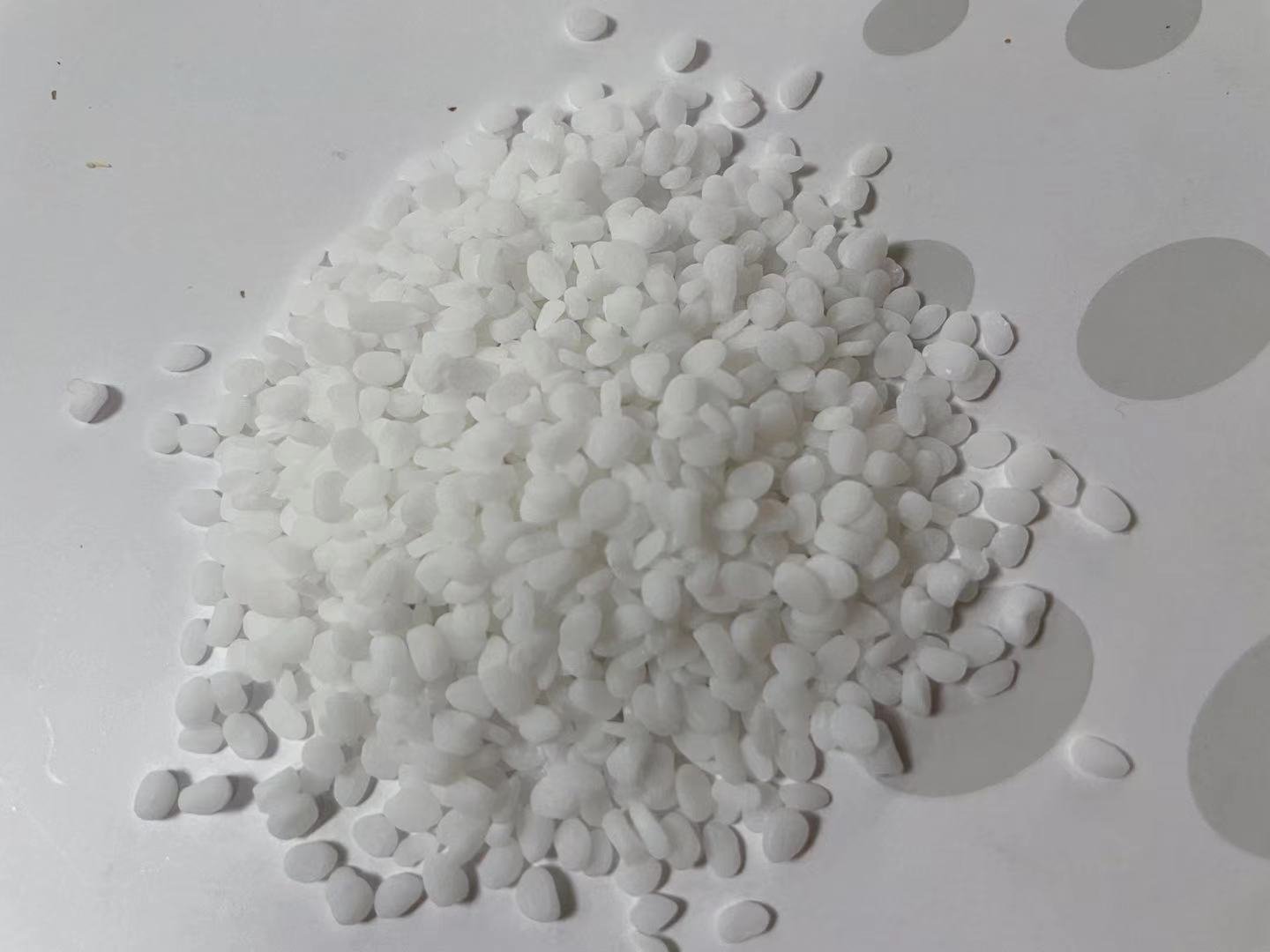
One of the first questions buyers ask about sodium sulfate filler masterbatch is: “How much can I add?”
There is no single addition ratio suitable for every plastic product. The correct dosage depends on the base resin, processing method, product thickness, required transparency and mechanical-performance target.
The objective is not to achieve the highest possible filler percentage. The objective is to find the most economical formulation that still produces a qualified finished product.
This guide explains how to determine a suitable sodium sulfate filler masterbatch dosage for PE blown film and PP injection molding.
What Is Sodium Sulfate Filler Masterbatch?
Sodium sulfate filler masterbatch is a functional plastic additive made from finely processed sodium sulfate, a compatible carrier resin and selected processing additives.
It is also called:
- Na2SO4 filler masterbatch
- Sodium sulfate filling masterbatch
- Sodium sulfate transparent filler masterbatch
- Plastic cost-reduction masterbatch
- Functional filler masterbatch
It is supplied in granule form and can be blended with PE or PP resin using conventional plastic-processing equipment.
In suitable formulations, the masterbatch can replace a controlled portion of virgin resin and help reduce raw-material costs.
Why Is There No Universal Dosage?
Two manufacturers may produce similar plastic bags but require different masterbatch ratios.
The result can vary because of differences in:
- Virgin resin grade
- Recycled-material quality
- Film or part thickness
- Production equipment
- Screw design
- Processing temperature
- Required transparency
- Mechanical-performance standards
- Finished-product application
- Other additives in the formulation
A dosage that works well for a thick garbage bag may not be suitable for a thin packaging film. Similarly, a ratio used in a general household PP product may not work in a thin-wall or load-bearing molded component.
For this reason, dosage claims should always be evaluated under actual production conditions.
Factors That Determine the Addition Ratio
1. Base Resin
The first consideration is the polymer being processed.
Common materials include:
- LDPE
- LLDPE
- HDPE
- PP
- Virgin resin
- Recycled PE or PP
- Mixed-resin formulations
The carrier resin of the sodium sulfate filler masterbatch must be compatible with the base polymer. Poor compatibility can cause weak dispersion, surface defects or unstable processing.
Manufacturers should tell the supplier the exact resin type before requesting a dosage recommendation.
2. Finished-Product Thickness
Product thickness has a major influence on how much filler can be used.
In very thin PE film, changes in dispersion, haze and mechanical strength become more visible. A thicker film or molded part may tolerate a different filler level, depending on its end-use requirements.
For injection-molded products, both average wall thickness and thin sections around corners, clips or connection points must be considered.
3. Transparency Requirements
Sodium sulfate filler masterbatch may help maintain better transparency or translucency than certain conventional mineral fillers in suitable formulations.
However, it is not completely invisible.
As the dosage increases, the manufacturer should monitor:
- Haze
- Light transmission
- Surface gloss
- Color
- Visible particles
- Uniformity
Products with strict optical requirements generally require a more conservative trial.
4. Mechanical Performance
Any filler may influence the mechanical properties of a plastic product.
For PE blown film, important properties include:
- Tensile strength
- Elongation
- Tear resistance
- Puncture resistance
- Heat-sealing strength
- Load-bearing performance
For PP injection molding, manufacturers may need to test:
- Impact strength
- Flexibility
- Rigidity
- Drop resistance
- Dimensional stability
- Assembly performance
The dosage should not be approved until the finished product passes the required tests.
5. Virgin and Recycled Material Ratio
Recycled plastic can significantly affect the trial result.
Its properties may vary because of:
- Different polymer sources
- Moisture
- Contamination
- Previous processing history
- Inconsistent melt flow
- Color variation
- Reduced mechanical strength
If recycled-material quality is unstable, it becomes more difficult to determine whether a problem is caused by the masterbatch or the recycled resin.
During the initial trial, use the most consistent raw-material batch available.
6. Processing Equipment
Different machines do not always produce the same result from an identical formulation.
Important equipment factors include:
- Screw design
- Screw diameter
- Mixing capability
- Extrusion output
- Residence time
- Temperature control
- Feeding accuracy
- Cooling system
A machine with better mixing and plasticization may disperse the masterbatch more effectively.
A Practical Dosage Trial Method
The safest way to determine the addition ratio is through a controlled, step-by-step production trial.
Step 1: Record the Original Formula
Before adding sodium sulfate filler masterbatch, record:
- Every raw material in the formulation
- Percentage of each material
- Processing temperature
- Production speed
- Film thickness or part weight
- Scrap rate
- Current mechanical-test results
- Cost per qualified product
Without this baseline, it is difficult to measure the real effect of the masterbatch.
Step 2: Confirm the Correct Masterbatch Grade
Send the supplier information about the polymer, application and performance requirements.
The masterbatch carrier and formulation should be suitable for the customer’s PE or PP system. Do not assume that one grade is ideal for every production process.
Step 3: Begin with a Conservative Ratio
Start with the supplier’s recommended initial trial dosage.
Keep the resin blend, equipment and principal processing settings as stable as possible. This allows the masterbatch effect to be evaluated clearly.
Step 4: Inspect Processing Stability
During the trial, observe:
- Material feeding
- Melting behavior
- Dispersion
- Machine pressure
- Film-bubble stability
- Mold filling
- Surface appearance
- Deposits around the die or mold
- Production speed
If serious processing problems occur, stop and investigate before increasing the dosage.
Step 5: Test the Finished Product
Do not evaluate the material only while it is running on the machine.
The finished film, bag or molded part must be tested under actual use conditions. This may include load tests, drop tests, sealing tests, printing tests or assembly tests.
Step 6: Increase the Dosage Gradually
If the first trial meets all requirements, the addition ratio can be increased in controlled steps.
Test and record the results at every stage. Stop increasing the dosage when appearance, strength, processing stability or customer requirements begin to fall outside the acceptable range.
Step 7: Calculate the Real Saving
Calculate the cost per qualified finished product—not only the formulation cost per kilogram.
Include:
- Resin and masterbatch cost
- Finished-product weight
- Production output
- Energy consumption
- Scrap rate
- Machine downtime
- Percentage of qualified products
The most economical dosage is the ratio that produces the lowest cost per qualified product.
Dosage Considerations for PE Blown Film
When testing sodium sulfate filler masterbatch in LDPE, LLDPE or HDPE film, closely monitor:
- Film transparency
- Bubble stability
- Film-thickness uniformity
- Tensile strength
- Elongation
- Tear resistance
- Heat-sealing performance
- Printing quality
Thin film normally provides less room for formulation changes. Thick bags and general-purpose film may allow a different cost-performance balance.
The final ratio should be determined using the actual film thickness and bag-making process.
Dosage Considerations for PP Injection Molding
For PP injection molding, the suitable dosage depends on part design and end use.
Check:
- Mold filling
- Cycle time
- Surface gloss
- Color consistency
- Shrinkage
- Warpage
- Part weight
- Impact performance
- Thin sections and connection points
A general household product may have different requirements from a clip, hinge or load-bearing component.
Parts with living hinges or high-impact requirements need particularly careful testing.
Signs That the Dosage May Be Too High
The filler ratio may need to be reduced if you observe:
- Excessive film haze
- Reduced tensile strength
- Easy tearing
- Weak heat seals
- Unstable film bubbles
- Rough surfaces
- Visible particles
- Brittle molded parts
- Poor impact resistance
- Warpage
- Higher rejection rates
- Frequent equipment cleaning
These problems may also have other causes. Check the resin, moisture, mixing, temperature and equipment before reaching a final conclusion.
Why the Highest Dosage Is Not Always the Most Economical
A high addition ratio can make the formulation price look attractive, but it may increase the real production cost.
For example, a high filler level may:
- Increase finished-product weight
- Reduce output by piece count
- Increase scrap
- Slow production
- Require more machine cleaning
- Cause customer complaints
- Reduce product strength
The target should be stable, repeatable cost reduction—not the highest number shown in a sales brochure.
Information Required for a Dosage Recommendation
To receive a useful recommendation, send the masterbatch manufacturer:
- Base resin type and grade
- Virgin and recycled material ratio
- Complete current formulation
- Processing method
- Film thickness or part dimensions
- Finished-product application
- Required transparency
- Mechanical-performance requirements
- Processing temperature
- Current material cost
- Target cost reduction
- Photos or samples of the finished product
The more complete the information, the more relevant the initial recommendation will be.
Sodium Sulfate Filler Masterbatch Manufacturer
Xinfeng manufactures sodium sulfate filler masterbatch for PE blown film, PP injection molding and other suitable plastic-processing applications.
We also supply high-transparency toughening additives, color masterbatch, antiblock masterbatch and desiccant masterbatch.
Instead of recommending the same dosage for every customer, we review the resin system, equipment, product structure and performance requirements before proposing a trial plan.
Send us your existing formulation and finished-product information to request a suitable sodium sulfate filler masterbatch grade and starting ratio.
Frequently Asked Questions
What is the standard dosage of sodium sulfate filler masterbatch?
There is no universal standard dosage. The correct ratio depends on the resin, product thickness, processing method and performance requirements.
Can I increase the dosage to reduce more costs?
The ratio can be increased only while the finished product continues to meet the required appearance, strength and processing standards.
Does thin PE film require a lower dosage?
Thin film is generally more sensitive to filler dispersion, haze and mechanical changes. It usually requires more careful testing.
Can the same dosage be used for PE and PP?
Not automatically. PE blown film and PP injection molding have different processing and performance requirements, and they may require different masterbatch grades.
Does recycled plastic affect the addition ratio?
Yes. Variations in recycled material can affect dispersion, strength, moisture and processing stability.
How do I know if the dosage is too high?
Warning signs include excessive haze, weak film, unstable bubbles, brittle molded parts, rough surfaces and increased rejection rates.
What is the best way to calculate cost savings?
Calculate the total production cost per qualified finished bag, film roll or molded part, including material cost, product weight, scrap and production efficiency.
Send us a message now for quotation.
WhatsApp: https://wa.memessage/IRZROGA5F2RQO1
WhatsApp:+86 17835035161