


Can Sodium Sulfate Filler Masterbatch Be Used with Recycled PE?
Recycled polyethylene is widely used in garbage bags, industrial liners and other cost-sensitive film products. It helps manufacturers reduce virgin resin consumption, but its quality can vary significantly between batches.
Sodium sulfate filler masterbatch may be used with recycled PE in suitable formulations to achieve further cost optimization. However, combining recycled resin and filler requires careful control of moisture, contamination, dispersion and mechanical performance.
The objective is not simply to use more low-cost material. The objective is to produce a stable, qualified film at a competitive total cost.
This article explains what manufacturers should evaluate before using sodium sulfate filler masterbatch with recycled LDPE, LLDPE or HDPE.
What Is Sodium Sulfate Filler Masterbatch?
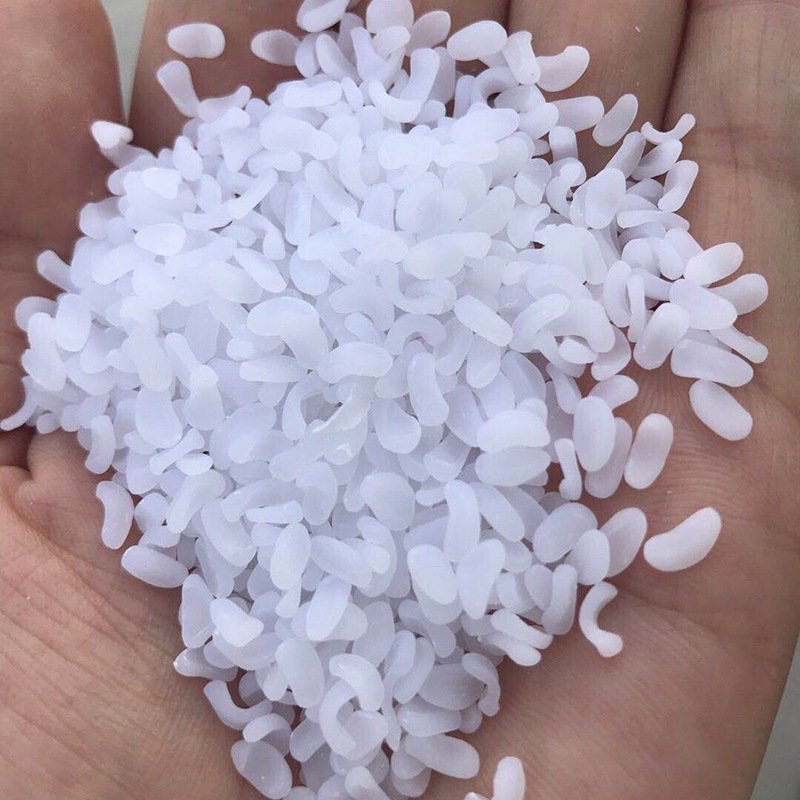
Sodium sulfate filler masterbatch is a granular functional additive manufactured from finely processed sodium sulfate, a compatible carrier resin and selected processing additives.
It is also known as:
Na2SO4 filler masterbatch
Sodium sulfate filling masterbatch
Sodium sulfate transparent filler masterbatch
PE cost-reduction masterbatch
Functional filler masterbatch
In a suitable formulation, it can replace a controlled portion of plastic resin while helping maintain acceptable processing and finished-product performance.
The appropriate grade and dosage depend on the recycled resin, film thickness, production equipment and quality requirements.
Why Combine It with Recycled PE?
Manufacturers use recycled PE primarily to reduce dependence on virgin resin. Sodium sulfate filler masterbatch may provide an additional cost-control option.
Potential advantages in suitable applications include:
Reduced virgin resin consumption
Lower formulation cost
Granular and convenient feeding
Good dispersion with a compatible grade
Controlled adjustment of the production formula
Acceptable appearance in suitable products
Greater flexibility in cost-sensitive applications
These benefits must be confirmed through a production trial. Unstable recycled material can make the result less predictable than a formulation based entirely on virgin resin.
Suitable Applications
Sodium sulfate filler masterbatch may be evaluated in recycled PE formulations for products such as:
Garbage bags
Refuse sacks
Industrial liners
General shopping bags
Courier bags
Inner packaging
Construction film
General-purpose non-food film
Products requiring high transparency, heavy load-bearing performance or strict regulatory compliance need more cautious evaluation.
For applications involving food, medicine or other regulated uses, confirm the suitability and required documentation of every raw material before production.
The Main Challenge: Recycled PE Is Not Always Consistent
The term “recycled PE” can describe materials with very different properties.
Variation may come from:
Mixed LDPE, LLDPE and HDPE
Different original products
Multiple recycling cycles
Pigment contamination
Inorganic contamination
Residual moisture
Odor
Different melt flow rates
Thermal degradation
Inconsistent filtering
Because of these variables, a masterbatch dosage that works with one recycled batch may not provide identical results with another.
Manufacturers should stabilize the recycled resin source before optimizing the filler ratio.
Check Polymer Compatibility
Before adding sodium sulfate filler masterbatch, identify the main polymer in the recycled material.
Recycled film may contain:
Predominantly LDPE
Predominantly LLDPE
Predominantly HDPE
Mixed polyethylene
Small quantities of incompatible polymers
The masterbatch carrier should be compatible with the primary resin system. Incompatible polymers can create weak interfaces, poor dispersion and unpredictable mechanical performance.
If the recycled material composition is unknown, conduct a conservative trial and monitor both processing behavior and finished-film properties.
Control Moisture Before Production
Moisture is a common concern when processing recycled plastic.
Recycled materials may have been:
Washed during recycling
Stored outdoors
Transported in damaged packaging
Exposed to humid warehouses
Insufficiently dried after processing
Possible moisture-related symptoms include:
Unstable film bubbles
Surface defects
Small holes
Unusual extrusion noise
Poor appearance
Inconsistent film strength
Increased rejection rates
Inspect the recycled resin, sodium sulfate masterbatch and all other additives separately. Do not assume that moisture comes from only one material.
A suitable desiccant masterbatch may help in certain recycled-plastic formulations, but it should not be used as a substitute for correcting severely wet or contaminated raw materials.
Evaluate Contamination
Recycled PE may contain paper, metal, sand, pigments or incompatible plastic residues.
Adding filler to a contaminated resin does not correct the contamination. Instead, the combined formulation may become more difficult to process.
Before the trial, check:
Granule cleanliness
Melt filtration quality
Visible foreign particles
Odor
Color consistency
Ash level, where relevant
Melt flow stability
For demanding applications, request consistent recycled resin specifications from the supplier.
Start with a Controlled Addition Ratio
There is no fixed sodium sulfate filler masterbatch dosage for all recycled PE products.
The correct ratio depends on:
Recycled resin quality
Virgin resin content
Film thickness
Required strength
Transparency requirements
Bag-making process
Production equipment
Other functional additives
Begin with the masterbatch manufacturer’s recommended trial ratio. Keep the recycled and virgin resin proportions stable during the first comparison.
Increase the dosage gradually only after the film passes the required tests.
A Recommended Trial Procedure
1. Record the Existing Formula
Document:
Recycled PE percentage
Virgin LDPE, LLDPE or HDPE percentage
Color masterbatch
Other functional additives
Film thickness
Bag weight
Processing temperatures
Production speed
Scrap rate
This information provides a baseline for comparison.
2. Inspect and Identify Every Material
Record the supplier and batch number of each raw material.
Check packaging, moisture, granule appearance and contamination before mixing.
3. Add a Compatible Sodium Sulfate Masterbatch
Use a grade recommended for the primary PE system. Accurately weigh the material and mix it evenly.
Do not estimate the dosage by eye.
4. Keep Machine Settings Stable
Use the original settings as the initial reference. Change temperatures or cooling conditions only when the processing behavior shows that an adjustment is needed.
Record every change.
5. Observe the Film Bubble
Check:
Bubble stability
Frost-line position
Film width
Thickness uniformity
Surface appearance
Extrusion pressure
Die deposits
Output per hour
A stable short run should be followed by a longer test before full production.
6. Test the Finished Film and Bags
Evaluate:
Tensile strength
Elongation
Tear resistance
Puncture resistance
Heat-sealing strength
Load-bearing performance
Transparency or opacity
Printing quality
Odor, where relevant
Test the finished bag rather than approving the material based only on the film roll.
Maintaining Film Strength
Recycled PE may already have lower or less consistent mechanical performance than virgin resin. Adding too much filler can make this weakness more noticeable.
If strength decreases, review:
Filler masterbatch dosage
Quality of the recycled material
Virgin-to-recycled resin ratio
LLDPE content
Film thickness
Dispersion
Processing temperature
Sealing parameters
A suitable toughening additive may be evaluated when the formulation requires improved mechanical performance. Its compatibility and economic benefit should also be confirmed through testing.
Adding more additives cannot compensate for severely degraded or contaminated recycled resin.
Managing Film Appearance
The final appearance depends on the color and cleanliness of the recycled material as well as the masterbatch.
Possible concerns include:
Increased haze
Uneven color
Black or white spots
Rough surfaces
Reduced gloss
Visible contamination
For colored garbage bags, evaluate the sodium sulfate filler masterbatch together with the final color masterbatch formula.
Color matching performed only with virgin resin may change when recycled PE and filler are introduced.
Combining Filler, Desiccant and Toughening Additives
A recycled PE formulation may contain several functional masterbatches, such as:
Sodium sulfate filler masterbatch for cost control
Desiccant masterbatch for suitable moisture-related conditions
Toughening additive for mechanical-property adjustment
Color masterbatch for appearance
Antiblock masterbatch for film handling
These products should not be added independently without considering the complete formulation.
The total additive level can affect:
Melt behavior
Film strength
Transparency
Surface properties
Heat sealing
Production cost
Introduce each major change in controlled stages so that its effect can be measured.
Common Problems and Checks
Film Bubble Instability
Check recycled-resin moisture, material mixing, carrier compatibility, extrusion temperature and filler dosage.
Film Tears Easily
Check recycled-resin degradation, film thickness, filler ratio, dispersion and LLDPE content.
White Spots Appear
Check masterbatch dispersion, processing temperature, recycled-material contamination and machine cleanliness.
Heat Seals Become Weak
Review the filler ratio, resin blend, film thickness and bag-making temperature, pressure and time.
Cost Savings Are Lower Than Expected
Measure bag weight, output per ton, scrap, production speed and the cost per qualified finished bag.
Calculate the Real Economic Result
The new formulation should be evaluated using:
Total production cost ÷ number of qualified finished products
Include:
Recycled and virgin resin costs
Sodium sulfate masterbatch cost
Other additive costs
Finished-product weight
Production speed
Scrap rate
Energy consumption
Machine downtime
Customer rejection risk
The lowest formulation cost per kilogram is not always the most profitable formula.
Information to Send the Masterbatch Manufacturer
For a suitable product recommendation, provide:
Type and source of recycled PE
Virgin resin percentage
Complete formulation
Film thickness
Finished-product application
Required color and transparency
Mechanical-performance requirements
Processing temperature
Current production problems
Target cost reduction
Product photos or samples
If possible, send a sample of the recycled resin and finished product for evaluation.
Sodium Sulfate Filler Masterbatch for Recycled PE
Xinfeng manufactures sodium sulfate filler masterbatch for recycled and virgin PE blown-film formulations, subject to application testing.
We also supply:
High-transparency toughening additives
Color masterbatch
Antiblock masterbatch
Desiccant masterbatch
Other plastic functional additives
Our recommendations are based on the customer’s recycled-resin quality, equipment, film thickness, finished-product requirements and cost target.
Send us your existing formulation and product information to request a suitable grade and starting trial ratio.
Frequently Asked Questions
Can sodium sulfate filler masterbatch be used with 100% recycled PE?
Its suitability depends on the recycled resin’s composition, cleanliness, moisture and mechanical performance. A controlled production trial is necessary.
Does recycled PE require a different masterbatch dosage?
It may. Recycled PE is generally more variable than virgin resin, so the dosage should be determined using the actual material batch.
Can a desiccant masterbatch solve all moisture problems?
No. It may help in suitable formulations, but severely wet materials and poor storage conditions should be corrected first.
Will sodium sulfate filler masterbatch reduce film strength?
Any filler may affect mechanical properties. The result depends on dosage, dispersion, recycled-resin quality and film thickness.
Can it be used in recycled garbage bags?
It may be evaluated in suitable garbage-bag formulations. Load-bearing, sealing and puncture tests should be completed before mass production.
Why does the formula work with one recycled batch but not another?
Different batches may contain different polymers, moisture levels, contamination and processing histories.
How should savings be calculated?
Compare the total cost per qualified finished bag, including material cost, bag weight, output, scrap and production stability.
Request a Recycled PE Application Sample
Send Xinfeng your:
Recycled PE type
Virgin/recycled resin ratio
Current formulation
Film thickness
Finished-product application
Current production problem
Target cost reduction
We can recommend a suitable sodium sulfate filler masterbatch and related functional-additive trial plan.
Send us a message now for quotation.
WhatsApp: https://wa.memessage/IRZROGA5F2RQO1
WhatsApp:+86 17835035161