


How to Prevent Moisture Problems in Sodium Sulfate Filler Masterbatch
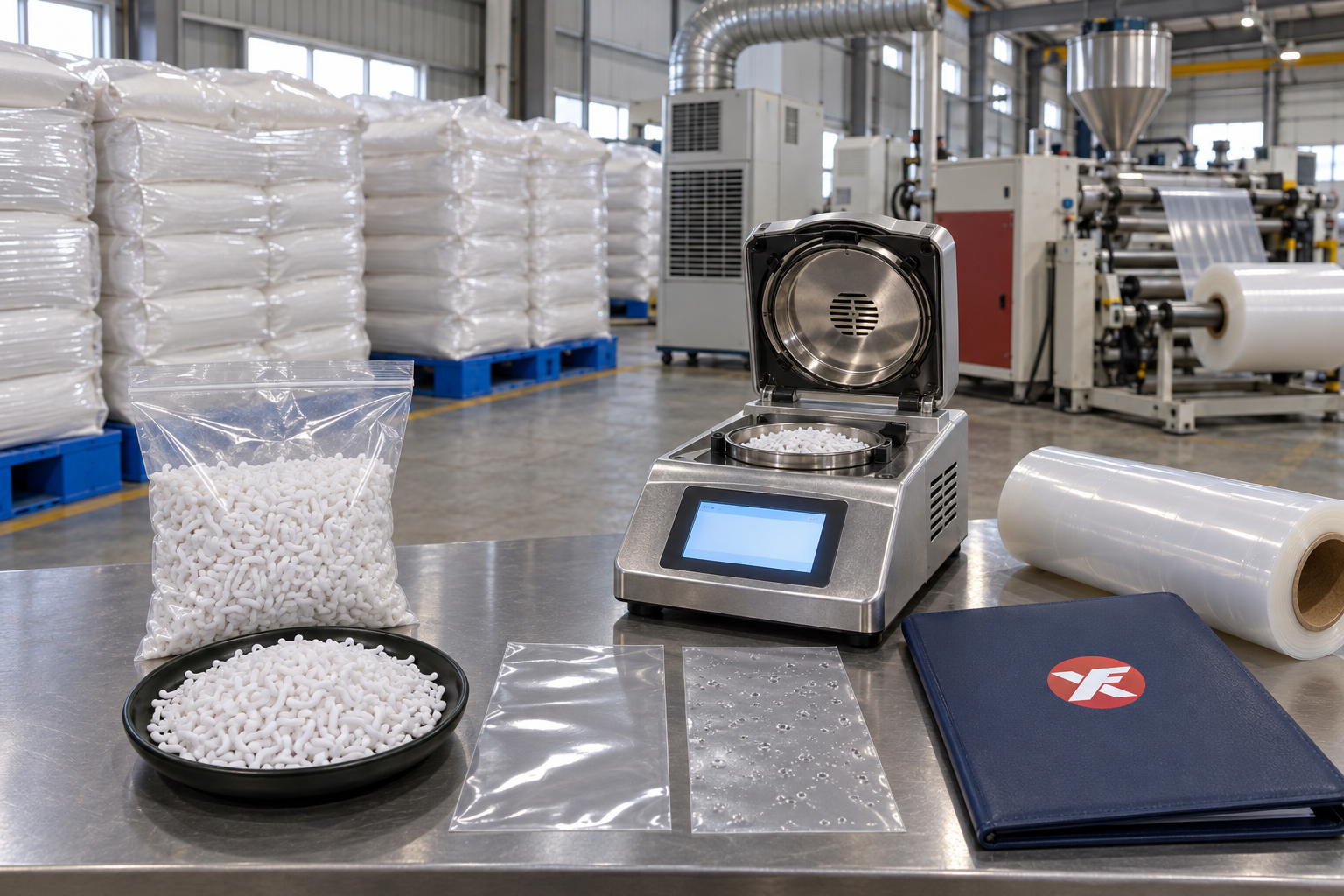
Moisture control is an important part of using sodium sulfate filler masterbatch in PE blown film, plastic bags and other extrusion applications.
When raw materials absorb excessive moisture, manufacturers may encounter bubbles, pinholes, rough film surfaces, unstable extrusion and inconsistent finished products.
These problems are not always caused by the masterbatch itself. Moisture may enter through storage conditions, recycled resin, opened packaging, conveying systems or production equipment.
Understanding the source of moisture can help processors reduce waste and maintain stable production.
Why Does Moisture Affect Plastic Processing?
During extrusion, plastic materials are exposed to high temperatures. Moisture contained in the raw materials can turn into vapour inside the molten polymer.
If the vapour cannot escape properly, it may create:
Bubbles in the melt
Pinholes in the film
Silver marks on the surface
Unstable film bubbles
Rough or uneven film
Weak points in finished products
Irregular extrusion pressure
Increased rejection rates
Thin film is particularly sensitive because even a small defect can become visible or affect mechanical performance.
Can Sodium Sulfate Filler Masterbatch Absorb Moisture?
The moisture sensitivity of a masterbatch depends on its raw materials, surface treatment, carrier resin, production process and packaging.
Even a properly manufactured product can absorb moisture when it is stored incorrectly or exposed to humid air for too long.
Potential causes include:
Damaged packaging
Open bags left near the production line
Storage on a wet floor
High warehouse humidity
Rain exposure during transportation
Condensation after temperature changes
Poorly sealed unused material
Processors should therefore evaluate both the original material condition and their internal handling practices.
Common Signs of Moisture During Production
Bubbles in the Film
Small bubbles or circular marks may appear when moisture becomes vapour during extrusion.
Pinholes
Tiny holes may form in thin blown film, especially when moisture combines with poor dispersion or excessive filler dosage.
Unstable Film Bubble
The blown-film bubble may shake, fluctuate or become difficult to control.
Irregular Extrusion Pressure
Moisture and inconsistent feeding may contribute to changes in die pressure or output.
Rough Surface
The finished film may show small surface defects, uneven gloss or a rough texture.
Unusual Extrusion Sound
In severe cases, operators may notice popping sounds near the die. Production should be checked promptly when this occurs.
Store Masterbatch in a Dry Warehouse
Masterbatch should be stored indoors in a clean, dry and well-ventilated area.
Recommended storage practices include:
Keep bags away from rain and direct water exposure.
Do not place packaging directly on the floor.
Use clean pallets or raised storage platforms.
Keep material away from doors where rain may enter.
Avoid locations with condensation.
Inspect packaging for damage before use.
Follow first-in, first-out inventory control.
Storage conditions should remain as stable as reasonably possible. Moving cold material directly into a warm, humid production area may create condensation on or inside the packaging.
Keep Original Packaging Sealed
The original packaging is the first barrier against environmental moisture.
Do not open bags until the material is ready to be used. Once opened, the remaining masterbatch should be resealed immediately.
For partial bags:
Remove excess air when practical.
Fold the inner liner tightly.
Close the outer bag securely.
Mark the opening date.
Use the remaining material as soon as possible.
Keep the bag away from humid production areas.
Leaving an open bag beside an extrusion line overnight can increase the risk of moisture absorption.
Inspect Material Before Feeding
Before adding masterbatch to the mixer or hopper, inspect its condition.
Look for:
Clumped pellets
Wet packaging
Condensation
Unusual surface appearance
Excessive powder
Inconsistent pellet flow
Damage to the inner liner
Clumping does not always prove that the material has excessive moisture, but it is a warning sign that should be investigated.
If possible, compare the material with a newly opened reference sample.
Check All Components of the Formulation
When bubbles appear, the filler masterbatch is often blamed first. However, every material in the formulation should be checked.
Possible moisture sources include:
Virgin PE resin
Recycled PE pellets
Colour masterbatch
Desiccant masterbatch
Other functional additives
Contaminated regrind
Wet mixing equipment
Material conveying pipes
Recycled materials can vary significantly between batches and may contain moisture or contamination.
Testing each component separately is more reliable than replacing materials without identifying the source.
Should the Masterbatch Be Dried?
Drying may help when the masterbatch has absorbed moisture, but the correct drying conditions depend on the carrier resin, packaging history and product formulation.
Excessive drying temperature or time may soften the pellets, cause sticking or affect feeding.
Before drying:
Confirm that moisture is the likely cause.
Ask the supplier for suitable drying guidance.
Use clean drying equipment.
Avoid mixing wet and dry materials.
Test a small batch first.
Record the drying conditions and results.
Do not assume that one drying setting is suitable for every filler masterbatch.
Keep Hoppers and Conveying Systems Dry
Even dry raw materials may be affected by moisture inside the production system.
Regularly inspect:
Storage hoppers
Suction pipes
Mixing drums
Feeding equipment
Material containers
Hopper loaders
Filters and screens
Compressed air used in material handling should also be clean and dry.
After machine cleaning, ensure that no water remains in containers or conveying components before production resumes.
Avoid Excessive Addition During Diagnosis
High filler addition may make film defects more visible.
When moisture-related problems occur, reduce the formulation to a known stable dosage and test again. Do not simultaneously change the dosage, temperature, resin ratio and machine speed.
A controlled troubleshooting sequence may include:
Return to the original stable formulation.
Check all materials for moisture.
Clean the feeding and mixing system.
Test a newly opened masterbatch bag.
Confirm extrusion temperatures.
Increase the dosage gradually.
Record the result of each change.
This process helps separate moisture problems from dispersion or compatibility problems.
Moisture or Poor Dispersion?
Moisture and poor dispersion can produce similar visible defects, but they require different solutions.
Possible symptom Moisture-related cause Dispersion-related cause
Bubbles Vapour forming in the melt Less common
Pinholes Vapour or contamination Agglomerated particles
White spots Possible surface defect Undispersed filler
Rough film Moisture or contamination Poor dispersion
Film breakage Weak points caused by bubbles Large agglomerates
Unstable bubble Moisture affecting melt stability Uneven material distribution
More than one cause may exist at the same time. Production data and sample comparison are therefore important.
Record Warehouse and Production Conditions
A simple record can reveal patterns that are otherwise difficult to identify.
Useful information includes:
Delivery date
Masterbatch batch number
Bag opening date
Warehouse conditions
Weather and humidity changes
Formulation
Addition ratio
Machine temperature
Defect type
Corrective action
Trial result
If problems appear only during humid periods or after long storage, moisture management should receive additional attention.
Work with a Reliable Manufacturer
Consistent production starts with controlled raw materials, stable manufacturing and protective packaging.
When discussing moisture or extrusion problems with the supplier, provide:
Photos of the pellets and packaging
Videos of the film bubble
Images of the film defects
Resin formulation
Addition ratio
Processing temperatures
Storage duration
Local weather conditions
Information about recycled materials
These details help the supplier evaluate the problem more accurately.
Xinfeng manufactures sodium sulfate filler masterbatch for selected PE blown-film and plastic-processing applications. We can assist customers with sample testing, formulation evaluation and production troubleshooting.
Conclusion
Preventing moisture problems requires more than drying the masterbatch. Packaging, warehouse conditions, recycled resin, mixing equipment and conveying systems must all be checked.
Keep the material sealed, store it away from moisture, inspect every component in the formulation and use controlled production trials to identify the real cause of defects.
Proper moisture management can reduce bubbles, pinholes, film instability and unnecessary production waste.
Send us a message now for quotation.
WhatsApp: https://wa.memessage/IRZROGA5F2RQO1
WhatsApp:+86 17835035161