


Does Sodium Sulfate Filler Masterbatch Increase Plastic Product Weight?
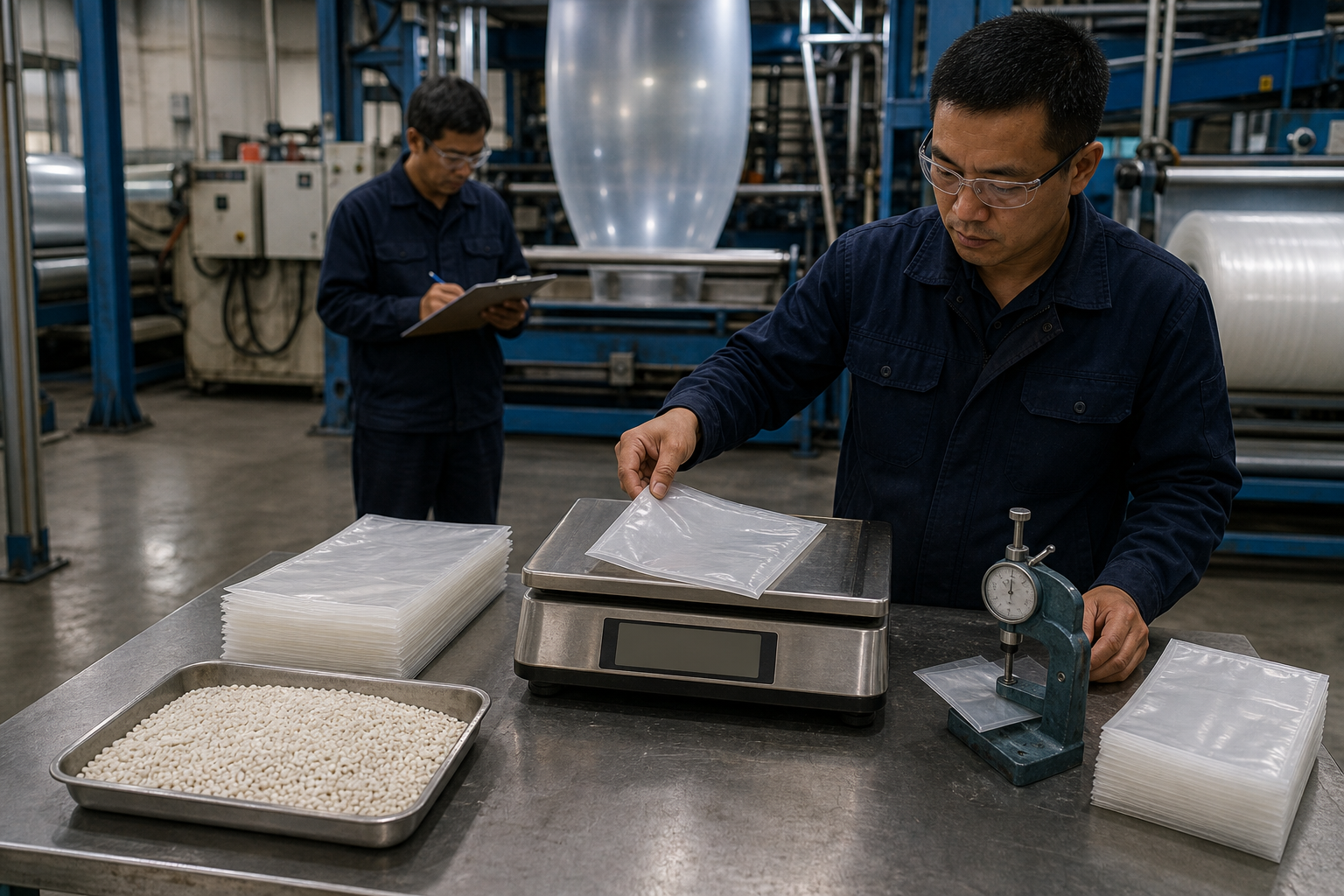
Sodium sulfate filler masterbatch can reduce the formulation cost per kilogram by replacing a controlled portion of plastic resin in suitable applications.
However, adding an inorganic filler also changes the density of the formulation. If film thickness, molded-part dimensions and machine settings are not properly controlled, the weight of each finished product may increase.
This does not automatically mean that the masterbatch fails to reduce costs. It means the manufacturer must evaluate cost per qualified finished product—not simply compare raw-material prices per ton.
This article explains how sodium sulfate filler masterbatch may affect density, product weight, output and actual production economics.
What Is Sodium Sulfate Filler Masterbatch?
Sodium sulfate filler masterbatch is a granular functional additive made from finely processed sodium sulfate, a compatible carrier resin and selected processing additives.
It is also known as:
Na2SO4 filler masterbatch
Sodium sulfate filling masterbatch
Sodium sulfate transparent filler masterbatch
Plastic cost-reduction masterbatch
Functional filler masterbatch
In suitable PE or PP formulations, it may replace a controlled portion of virgin or recycled resin.
The appropriate grade and addition ratio depend on the base polymer, production process, product dimensions and required performance.
What Is Material Density?
Density describes the mass of a material per unit of volume.
A simplified relationship is:
Density = mass ÷ volume
PE and PP resins have characteristic density ranges. When an inorganic filler is introduced, the density of the complete formulation generally changes because the filler and polymer do not have the same density.
The exact compound density depends on:
Sodium sulfate content
Carrier-resin type
Other processing additives
Base resin
Addition ratio
Recycled-material composition
For an accurate calculation, use the product-specific data provided by the supplier or measure the actual compounded formulation.
Why Can Product Weight Increase?
Manufacturers often try to maintain the same product dimensions after changing the formulation.
For example, a garbage bag may still have the same:
Width
Length
Nominal thickness
An injection-molded container may still use the same mold cavity and part dimensions.
If the formulation becomes denser while the product volume remains similar, the finished product may weigh more.
The simplified relationship is:
Product weight = product volume × formulation density
In actual production, the result may also be influenced by machine settings, shrinkage, film thickness variation and process control.
Why Price per Kilogram Can Be Misleading
Suppose the new formulation costs less per kilogram than the original virgin-resin formula.
This initially appears to create a clear saving. But if each bag or molded part becomes heavier, one ton of material will produce fewer finished pieces.
The relevant questions are:
How much does each product weigh?
How many qualified products are produced per ton?
Has production speed changed?
Has the scrap rate changed?
Does the product still meet its quality requirements?
What is the final cost per qualified piece?
A lower material cost per kilogram may still provide savings, but the calculation must include changes in product weight and output.
Calculate Output per Ton
Use:
Output per ton = 1,000 kg ÷ product weight in kg
For example, if a bag weighs 20 grams:
1,000 ÷ 0.020 = 50,000 bags per ton
If the new formulation increases the bag weight to 21 grams:
1,000 ÷ 0.021 = approximately 47,619 bags per ton
The new formulation produces fewer bags from one ton of material.
Whether it remains economical depends on the new formulation cost, scrap rate and production efficiency.
Calculate Material Cost per Product
Use:
Material cost per product = formulation cost per kg × product weight in kg
Complete this calculation for:
Original formula
Initial filler-masterbatch trial
Each adjusted dosage
Only compare products that meet the same dimensions and quality requirements.
A lighter bag that fails the load test is not a valid cost-saving result. Likewise, a heavier bag may provide unnecessary performance but reduce output.
Density and PE Blown Film
In blown-film production, weight can change because of both formulation density and thickness control.
Monitor:
Film thickness
Thickness variation across the web
Film width
Weight per meter
Roll weight
Bag weight
Output per hour
The operator may unintentionally change film thickness while trying to stabilize the bubble after adjusting the formulation.
Therefore, a product-weight increase should not automatically be attributed entirely to material density. Measure the actual film thickness first.
Density and Plastic Bag Production
For garbage bags, shopping bags and general packaging bags, manufacturers may sell products by:
Piece count
Roll
Carton
Kilogram
The sales method affects how cost changes should be evaluated.
Products Sold by Piece
Finished-bag weight directly influences the number of bags produced from one ton.
Products Sold by Roll
Check the number of bags per roll and total roll weight.
Products Sold by Kilogram
A higher-density formulation may have a different economic effect, but the finished product still needs to meet thickness, strength and customer specifications.
Do not reduce thickness solely to offset density without retesting the bag’s load, tear, puncture and sealing performance.
Density and PP Injection Molding
In injection molding, the mold cavity controls the external part geometry, but formulation changes may affect:
Part weight
Shrinkage
Warpage
Packing behavior
Holding pressure
Cycle time
Surface appearance
Measure several molded parts after they have cooled under consistent conditions.
Do not compare one freshly molded part with another part measured after complete cooling.
For parts sold by piece, even a small weight increase can become significant during high-volume production.
Product Thickness Must Be Measured
Nominal thickness and actual thickness are not always identical.
For PE film, check several points:
Left edge
Center
Right edge
Sealing area
Handle area, where applicable
For injection-molded products, check:
Main wall
Corners
Ribs
Connection points
Thin sections
Gate area
If the trial product is thicker than the original, part of the weight increase may result from processing rather than formulation density alone.
The Role of Dosage
As the sodium sulfate filler masterbatch addition ratio changes, the formulation density and processing behavior may also change.
A higher dosage may provide a lower formula cost per kilogram but can also influence:
Product weight
Transparency
Strength
Flexibility
Heat sealing
Shrinkage
Surface appearance
Production stability
The practical dosage should be determined through gradual testing.
Do not select the maximum advertised ratio without calculating the output and finished-product performance.
Recycled Resin Adds Another Variable
Recycled PE or PP may vary in density because it can contain:
Mixed polymer grades
Pigments
Mineral fillers
Unknown additives
Contamination
Material from different sources
If the recycled resin changes at the same time as the sodium sulfate filler masterbatch dosage, it becomes difficult to identify why the product weight changed.
Use a consistent recycled-material batch during the initial comparison.
Where possible, record or measure the properties of each incoming recycled batch.
Other Additives Affect the Formula
The complete formulation may include:
Color masterbatch
Toughening additive
Antiblock masterbatch
Desiccant masterbatch
Slip additive
Processing aids
These components also contribute to the total material weight and processing behavior.
Calculate the complete formulation rather than evaluating sodium sulfate filler masterbatch in isolation.
A Practical Production Trial
Step 1: Record the Original Formula
Record every resin and additive percentage.
Step 2: Measure the Original Product
Measure:
Film or part thickness
Product dimensions
Product weight
Production output
Scrap rate
Mechanical performance
Use multiple products to calculate an average.
Step 3: Introduce the Initial Masterbatch Dosage
Use a compatible grade and accurately weigh the materials.
Step 4: Keep Product Dimensions Stable
Maintain the target film width, bag size or molded-part specification.
Step 5: Measure Actual Thickness
Confirm that the original and trial products have comparable thickness.
Step 6: Weigh Multiple Samples
Do not base the comparison on one product. Use the same sample quantity and weighing procedure for each formulation.
Step 7: Test Finished-Product Performance
Check the properties relevant to the application.
Step 8: Calculate Qualified Output per Ton
Use the average weight of products that passed the quality tests.
Step 9: Calculate the Real Cost
Include formulation price, scrap, output, energy and downtime.
How to Control Product Weight
Possible control measures include:
Accurate gravimetric or volumetric dosing
Stable extrusion output
Consistent haul-off speed
Uniform film-bubble cooling
Regular film-thickness measurement
Stable injection shot and holding pressure
Accurate product weighing
Consistent raw-material batches
Gradual dosage changes
Retained production records
Do not compensate for higher density by reducing thickness beyond the product’s performance limit.
Common Mistakes
Comparing Products with Different Thicknesses
A thinner sample naturally weighs less, but it may not have the same strength.
Ignoring Recycled-Material Variation
Changes in recycled material can affect both density and performance.
Calculating Savings per Ton Only
This ignores how many qualified products one ton can produce.
Weighing Too Few Samples
Individual products can vary. Use a representative sample and calculate an average.
Ignoring Scrap
Rejected products consume material but generate no saleable output.
Pursuing the Highest Dosage
The highest filler ratio may not provide the lowest cost per qualified product.
Does Higher Density Always Mean a Disadvantage?
No.
Higher formulation density is a material characteristic, not automatically a failure.
The actual economic result depends on:
Raw-material prices
Product dimensions
Weight control
Application requirements
Processing stability
Scrap
Sales method
Customer acceptance
A sodium sulfate filler masterbatch formulation may still reduce total cost if the material saving is greater than the effect of product-weight changes.
The result must be calculated for the specific product.
Information to Send the Supplier
Provide:
Base resin
Current complete formulation
Processing method
Film thickness or part dimensions
Current product weight
Target product weight
Required performance
Production output
Recycled-material percentage
Target cost reduction
Product samples or photographs
This information helps the supplier recommend a relevant grade and starting trial ratio.
Sodium Sulfate Filler Masterbatch from Xinfeng
Xinfeng manufactures sodium sulfate filler masterbatch for suitable PE blown-film and PP injection-molding applications.
Our functional additive range also includes:
High-transparency toughening additives
Color masterbatch
Antiblock masterbatch
Desiccant masterbatch
Other plastic functional additives
We encourage manufacturers to compare formulation cost, product weight and qualified output together.
Send us your current formula and product specifications to request a sodium sulfate filler masterbatch trial recommendation.
Frequently Asked Questions
Does sodium sulfate filler masterbatch increase density?
Introducing inorganic filler generally changes the density of the complete formulation. The exact result depends on the product grade and dosage.
Will every plastic product become heavier?
Not necessarily. Finished weight also depends on thickness, dimensions, processing settings, shrinkage and production control.
Why does one ton produce fewer bags?
If the average weight per bag increases, the number of bags produced from one ton decreases.
Can I reduce film thickness to maintain bag weight?
Thickness may be optimized only if the finished bag continues to pass strength, sealing and actual-use tests.
How many products should be weighed?
Use a representative group produced under stable conditions and compare averages using the same procedure.
Is lower cost per kilogram enough to prove savings?
No. Calculate the cost per qualified finished bag, roll or molded part.
What is the best masterbatch dosage?
The best dosage delivers the lowest repeatable cost per qualified product while meeting appearance and performance requirements.
Request a Weight and Cost Trial
Send Xinfeng your:
Current formulation
Product dimensions
Film or wall thickness
Average product weight
Required performance
Target cost reduction
We can recommend a suitable sodium sulfate filler masterbatch grade and starting trial ratio.
Send us a message now for quotation.
WhatsApp: https://wa.memessage/IRZROGA5F2RQO1
WhatsApp:+86 17835035161